Experiential Marketing in Cambodia is entering a transformative phase. As competition increases across retail, exhibitions, events and brand activations, businesses are rethinking how they engage audiences. Instead of relying solely on visual decoration, brands are integrating interactive technology to create deeper engagement.
Today, the difference between being seen and being remembered comes down to experience.
What Is Experiential Marketing?
Experiential marketing focuses on building emotional connections between brands and consumers through engaging, interactive experiences. Instead of passive advertisements, this approach invites people to participate, engage, and remember. By embedding technology within these experiences, brands can elevate consumer interaction to entirely new levels.
In Cambodia, experiential marketing shows up across:
But the real magic happens when technology amplifies human involvement.
The Shift in Experiential Marketing Cambodia
In recent years, experiential campaigns in Cambodia have grown rapidly. Shopping mall activations, product launches, lifestyle events, and exhibitions now compete for audience attention.
However, traditional setups — including printed backdrops, stage props, and branded decorations — often deliver only visual exposure.
While decoration enhances aesthetics, it does not guarantee participation.
This is why experiential marketing in Cambodia is shifting toward technology-enhanced engagement.
Traditional Decoration in Experiential Campaigns
Traditional experiential campaigns typically include:
- Printed banners
- Branded standees
- Stage installations
- Decorative lighting
These elements attract attention. However, they remain passive.
Limitations of Traditional Decoration
- No real-time interaction
- Short engagement duration
- No measurable user data
- Limited social sharing potential
- Minimal emotional impact
As a result, brands may achieve exposure but not necessarily engagement.
Technology-Driven Experiential Marketing in Cambodia
In contrast, technology introduces participation into experiential campaigns.
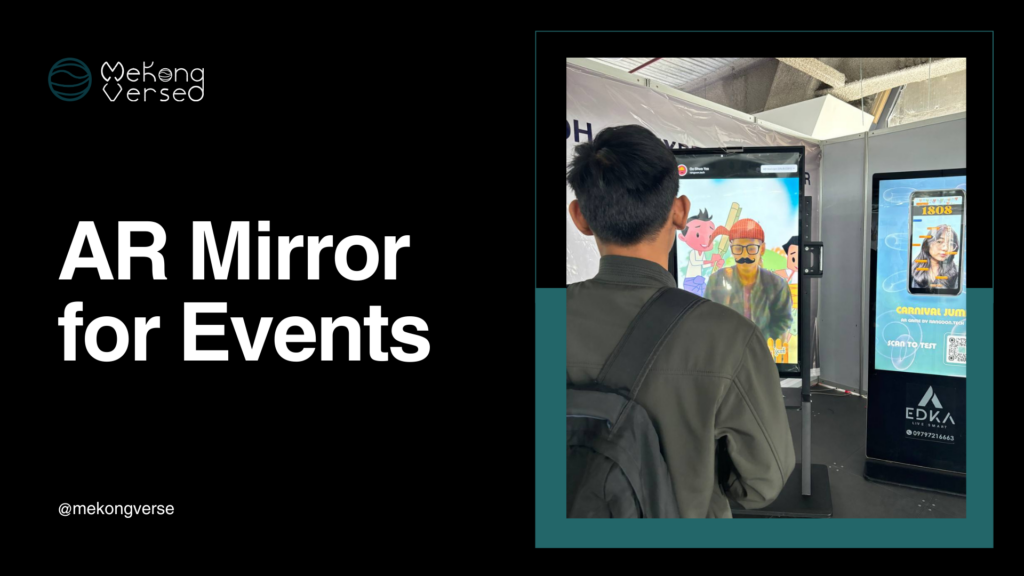
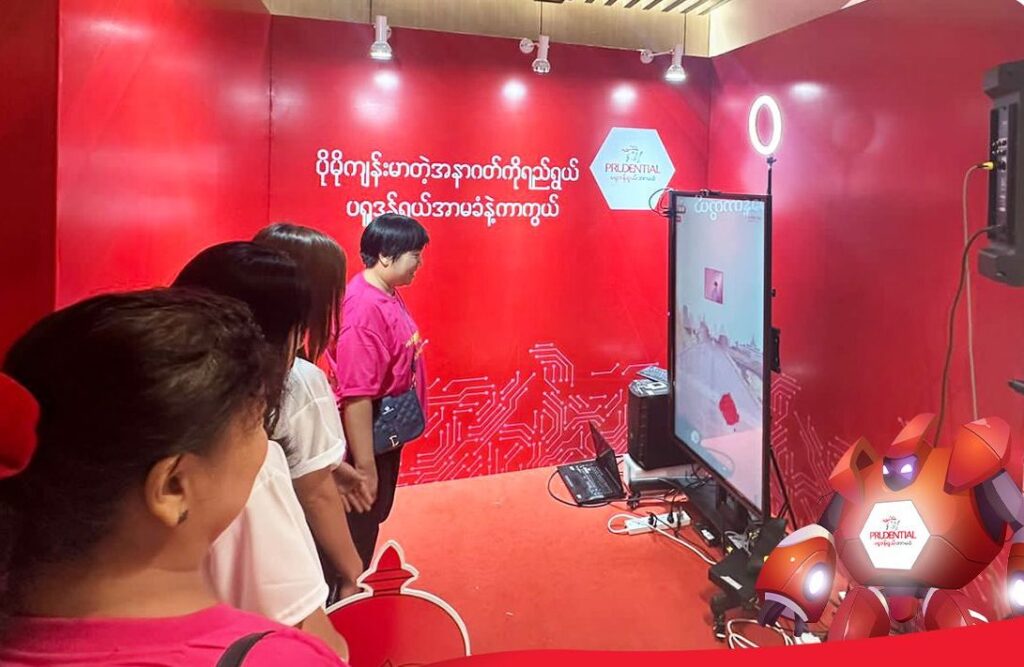
Interactive solutions — including augmented reality tools such as AR Mirror installations — transform physical environments into engaging digital experiences.
Instead of simply viewing a display, audiences interact with it.
Benefits of Technology in Experiential Marketing Cambodia
- Real-time engagement
- Increased dwell time
- Higher emotional connection
- Social media amplification
- Potential data collection
- Stronger brand recall
Consequently, technology-driven campaigns often outperform traditional decoration in both engagement and memorability.
Comparison: Technology vs Traditional Decoration
| Factor | Traditional Decoration | Technology (AR Mirror Example) |
|---|---|---|
| Audience Interaction | Passive | Interactive |
| Engagement Duration | Short | Extended |
| Shareability | Low | High |
| Data Measurement | None | Possible |
| Brand Memorability | Moderate | High |
| ROI Potential | Limited | Scalable |
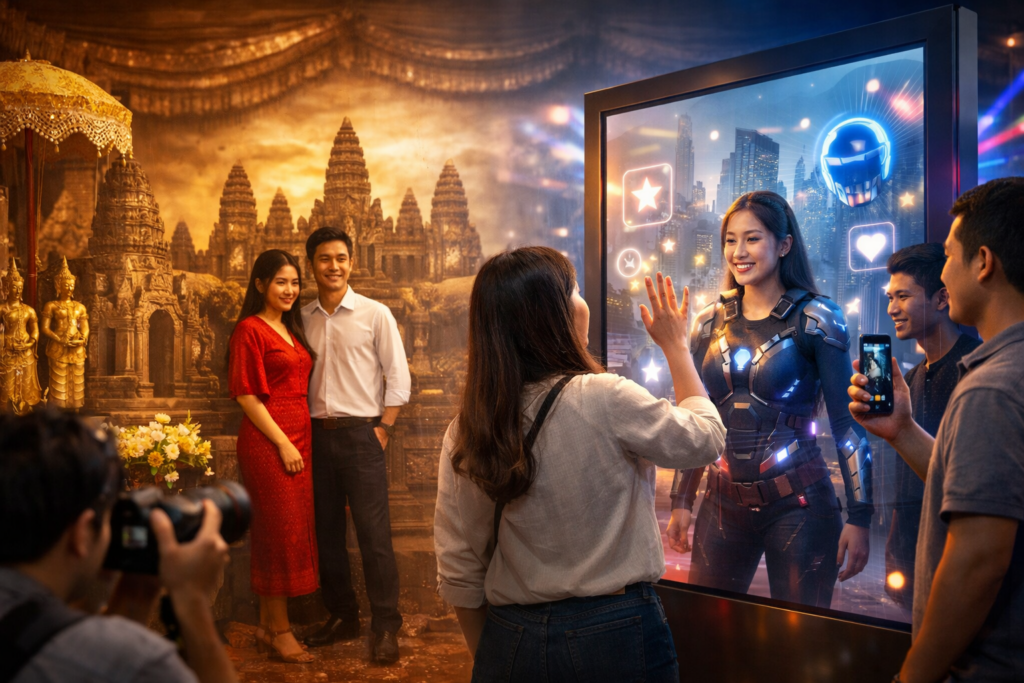
Decoration creates a scene.
Technology creates participation.
Why Interactive Experiences Matter in Cambodia
Cambodia’s consumers are digitally connected and socially active. Therefore, experiential marketing campaigns must align with modern behavior.
Interactive installations, such as AR Mirror experiences used in offline experiential marketing campaigns, generate visual moments that audiences want to share.
As a result, brands extend their reach beyond the physical event space.
Moreover, interactive engagement increases emotional attachment — and emotional attachment drives long-term brand value.
The Rise of Phygital Experiences
Globally, brands are blending physical and digital environments. Cambodia is following this global movement.
Phygital experiences — where physical spaces integrate digital layers — represent the future of experiential marketing Cambodia.
Technology does not replace creativity. Instead, it enhances it.
Frequently Asked Questions
What is Experiential Marketing Cambodia?
Experiential Marketing Cambodia refers to brand campaigns that engage audiences through immersive, interactive, and memorable experiences within Cambodia’s retail, event, and exhibition environments.
Is technology necessary for experiential campaigns?
While not mandatory, technology significantly enhances engagement, shareability, and measurable outcomes compared to traditional decorative setups.
How does AR Mirror improve experiential marketing?
AR Mirror adds interactive digital overlays to physical environments, allowing participants to engage in real time, creating memorable and shareable brand moments.
Conclusion
Experiential Marketing Cambodia is evolving beyond static decoration. As consumer expectations grow, brands must prioritize participation over passive exposure.
Traditional decoration may attract attention.
However, interactive technology — including AR-based solutions — drives engagement, memorability, and measurable impact.
In today’s competitive environment, experience is the new currency of brand differentiation.