
Brand Activation is the moment a brand stops being a message and starts becoming an experience. It is when consumers do not just see a logo or hear a claim, but interact with the brand in a way that feels real. In Cambodia, this shift from seeing to experiencing is especially powerful.
Traditional advertising creates awareness. Brand Activation creates belief. It allows people to try a product, play with a brand idea, take part in a story, or share a moment publicly. One strong interaction can build more trust than repeated exposure to ads.
There is a contradiction many marketers face. Brand Activation looks simple—set up a booth, hire promoters, run a campaign. Yet many activations underperform. The reason is not lack of effort, but lack of clarity. Without a clear goal, a relevant experience, and the right KPIs, even good ideas fall flat.
This guide is written to educate marketers in Cambodia on how Brand Activation really works today. It focuses on two core activation types only: Digital Activation and On-ground Activation, because these two, when combined well, cover almost every effective activation strategy in the Cambodian market.
Why Brand Activation Works So Well in Cambodia
Cambodia is a relationship-driven and socially influenced market. People observe others before making decisions. When they see friends, family, or peers engaging with a brand, confidence grows.
Public spaces play an important role. Malls, markets, events, campuses, and pop-up locations naturally gather attention. A well-designed activation does not need to interrupt people. It simply needs to fit into where they already are.
Cambodia is also strongly mobile-first. Smartphones are part of everyday life across age groups. This allows Brand Activation to extend beyond physical spaces through QR scans, digital games, social sharing, and instant rewards.
Another key factor is trial behavior. Cambodian consumers often prefer to experience a product before committing. Activations that allow sampling, demos, or interaction reduce uncertainty and increase conversion.
However, tone matters. Activations that feel aggressive, confusing, or culturally disconnected fail quickly. Brands that feel friendly, respectful, and human perform far better.
Brand Activation vs Experiential Marketing
Brand Activation and experiential marketing are often used interchangeably, but they are not the same.
Experiential marketing focuses on creating a memorable experience. Brand Activation focuses on driving a specific action through that experience.
In Cambodia, an experience may look impressive but still fail if it does not clearly connect to the brand or product. Brand Activation always asks a practical question: what should the consumer do after this moment?
- Try the product
- Buy the product
- Register interest
- Share content
- Remember the brand later
Experiential marketing creates emotion. Brand Activation converts emotion into behavior. The strongest campaigns combine both.
Start with One Clear Activation Goal
Every successful Brand Activation begins with one primary goal.
Common goals in Cambodia include:
- Increasing brand awareness
- Driving product trial
- Generating leads or data
- Increasing foot traffic
- Boosting short-term sales
Many campaigns fail because they try to achieve all goals at once. The message becomes unclear. Promoters lose focus. Consumers walk away confused.
One goal creates clarity. Clarity improves execution. Execution drives results.
Understanding Cambodian Consumers
Cambodia is not a single audience. Phnom Penh alone contains multiple segments with different needs and behaviors.
Younger consumers enjoy interactive, playful, and shareable experiences. Families value safety, warmth, and usefulness. Professionals value speed, clarity, and credibility.
Language matters. Khmer-first communication builds trust. English can support, but should not dominate. Tone should always be polite, friendly, and approachable.
Timing also matters. Mall traffic, event crowds, and retail behavior change by time of day and day of week. Activations planned without this awareness often underperform.
Strong Brand Activation feels locally designed, not imported.
Two Core Brand Activation Types in Cambodia
To keep strategy simple and effective, Brand Activation in Cambodia can be divided into two core types.
Digital Activation
Digital Activation uses online and mobile platforms to create interactive brand experiences. These experiences may exist on their own or support on-ground campaigns.
Digital Activation includes:
- WebAR experiences
- QR-based campaigns
- Interactive websites or microsites
- Social media challenges
- Scan-to-play or scan-to-win mechanics
The biggest advantage of Digital Activation is reach. A single campaign can engage consumers across Phnom Penh, Siem Reap, Battambang, and beyond at the same time.
Digital Activation also allows personalisation. Consumers interact at their own pace using their own devices. Brands can deliver customised content, instant rewards, or interactive storytelling.
Another major strength is measurability. Brands can track reach, engagement, completion, and sharing in real time and optimise quickly.
A classic global example is Coca-Cola’s “Share a Coke” campaign. By personalising packaging and encouraging social sharing, the brand turned a simple product into a digital conversation driven by consumers.
In Cambodia, Digital Activation works best when it is:
- Mobile-first
- Easy to access without app downloads
- Reward-driven
- Designed for sharing
Digital Activation does not replace physical experiences. It amplifies them.
On-ground Activation
On-ground Activation focuses on physical interaction between brands and consumers. This includes mall roadshows, in-store activations, events, pop-ups, and public experiences.
On-ground Activation is powerful because it creates real presence. People can see others engaging, which builds trust quickly.
Effective on-ground activations in Cambodia:
- Respect the space and flow of people
- Use friendly, well-trained promoters
- Keep interactions short and clear
- Offer real value, not just giveaways
Modern on-ground activations are no longer purely offline. Photos, videos, games, and QR scans allow physical moments to continue digitally through sharing and follow-up.
Measuring Brand Activation Success in Cambodia
Brand Activation should be measured with focus, not complexity. For clarity, KPIs should align with the two activation types.
Digital Activation KPIs
Digital Activation focuses on scale and participation.
Key KPIs include:
- Reach
- Impressions
- Engagement rate (clicks, scans, interactions)
- Data or lead capture
- User-generated content volume
- Sales via Coupons Distribution or Instant Win Rewards
These KPIs show whether the digital experience attracted attention and motivated participation.
On-ground Activation KPIs
On-ground Activation focuses on interaction, trial, conversion, and amplification.
Key KPIs include:
- Foot traffic attracted
- Engagements (games, demos, conversations)
- Product trials completed
- Shares and social mentions
- Data or lead capture
- Sales or conversion rate
Including shares as a KPI reflects modern behavior. A strong on-ground activation does not end at the venue—it travels through social content.
The Golden Rule of KPIs
One activation.
One primary KPI such as UGC or Sales.
A few supporting metrics.
Digital Activation prioritises reach, engagement, leads, shares and sales.
On-ground Activation prioritises interaction, leads, shares and conversions such as leads or sales.
Activating with Mekongverse
The strongest Brand Activations combine Digital and On-ground experiences. Mekongverse enables this seamlessly.
In-store and On-ground Activations with Mekongverse AR Mirror
Mekongverse AR Mirror transforms physical spaces into interactive experiences using games, quizzes, and photo moments that increase engagement, dwell time, and sharing.
Examples:
AR Mirror Game Boosts Foot Traffic at TEN11 Store
LUX Inspires Women with AR Mirror Personality Quiz
Digital Activations with Mekongverse WebAR
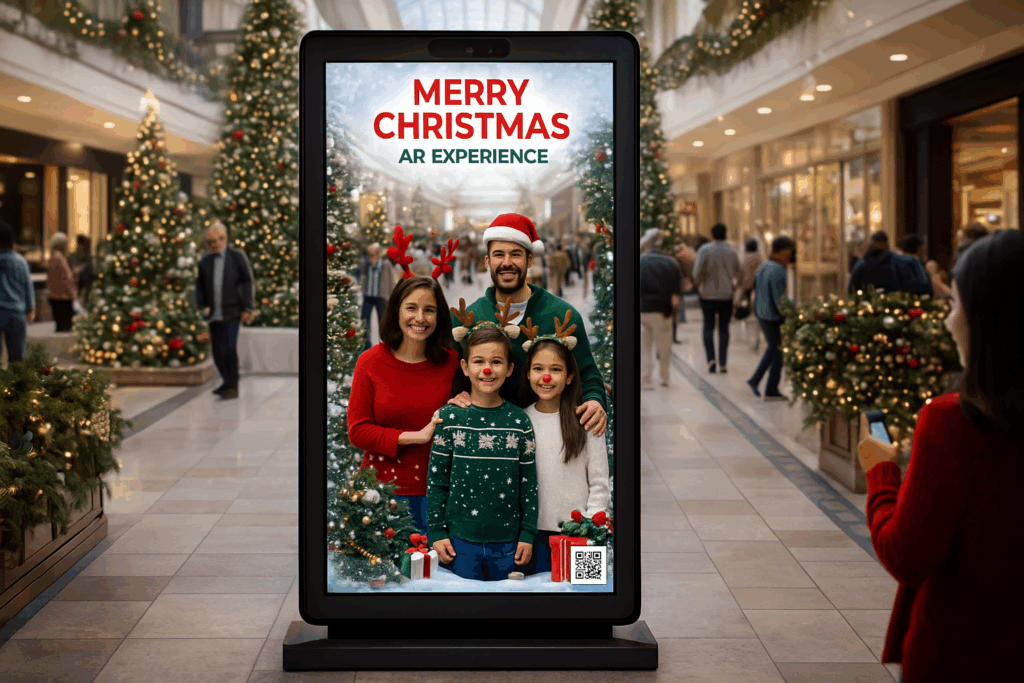
Mekongverse WebAR enables Digital Activation through packaging, QR codes, and social media—without app downloads. Consumers scan, interact, and share instantly.
Example:
Closeup AR Packaging Activation in Cambodia
Conclusion
Brand Activation is one of the most effective ways to build trust and drive action in Cambodia. It transforms brands from messages into experiences.
The key is simplicity. Focus on Digital Activation and On-ground Activation. Define one clear goal. Design meaningful interactions. Measure what matters.
When physical experiences are amplified by digital engagement, Brand Activation becomes a growth engine—not just a marketing tactic. With tools like Mekongverse AR Mirror and Mekongverse WebAR, brands in Cambodia can create experiences that people remember, share, and believe in.